Thursday, January 15, 2015

Community Supported Agriculture.... What a CSA Means on our Farm


Well we made it through the holidays and the new year has quickly shown us that there is no time to waste! Rebuilding the greenhouse and getting Certified Organic is officially under way. Working out the plans for our CSA this year is also our most valued agenda because we feel it will be the most important thing to bring our community together and start the shift towards a more healthy and happy life.
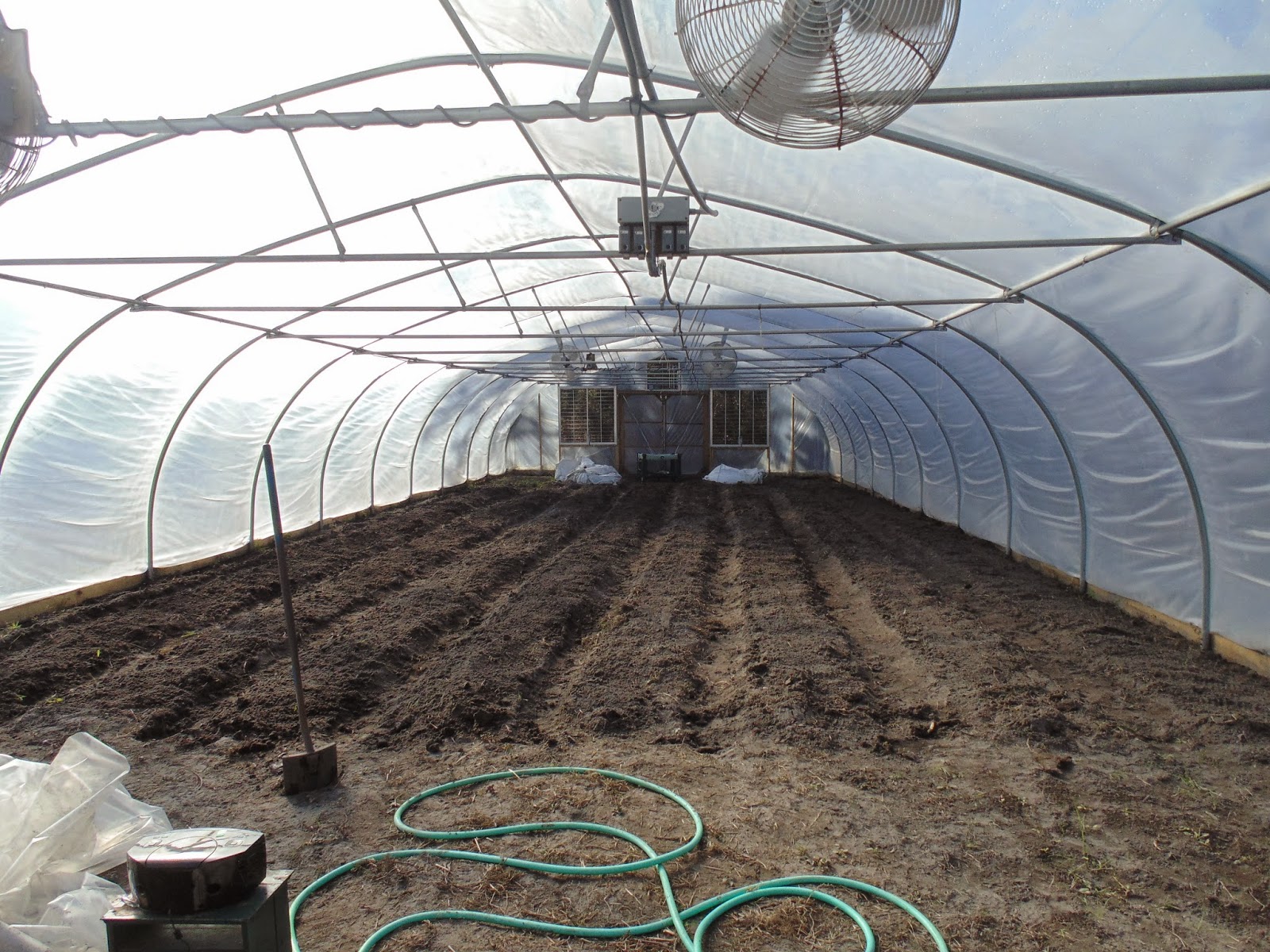


Matt is working on rebuilding the greenhouse which really shouldn't take too long (*fingers crossed*) while I am organizing as much as I can inside to get ready for filing, newsletters and any other 'admin work' that I can do. Don't get me wrong I am about to embark on a new life with toddler in tow.  I hope to have Juniper set up in the greenhouse to help me work while planting and germinating seedlings for our upcoming season.  We are preparing this year for a 30 member CSA and one or two markets.  We are both very excited for this year on the farm and all the things that are happening.

I decided to write another blog about Community Supported Agriculture for a couple of reasons.  My first blog was from the standpoint of the customer side of things that supported a local organic farm, which you can view here on my personal blog The Conscious Kitchen.  Although I have not written in a while on that page I still recommend taking a look to see one way a CSA works.  Now as the years have gone by (and I have gone and gotten myself my own farmer, hehe) Matt and I have been reading and learning about different models of CSAs all across the country.  In a traditional model, the farmer receives payment up front to be able to purchase seeds and supplies for the farming season and  for a certain amount of time (usually weeks) during that growing season the families come out to the farm and pick up their boxes. In each box contains seasonal fruit, vegetables  and / or herbs that had been picked that day.  It really doesn't get any fresher than that folks.


CSAs have since evolved to drop off points and Internet orders where the customer can place an order for whatever he/she wants the next day.  Matt and I on the other hand, believe that farms build community and with that idea comes the desire to have families come out to the farm and be a part of the farm, whether it is through volunteering or picking up fresh produce that was picked that day.  We certainly understand how busy people's lives are these days and that driving to the farm to pick up vegetables every week could feel taxing but we honestly believe becoming part of the farm and supporting your local farmer can change communities and bring people together. Not to mention you're eating some of the most nutritious and delicious food on the planet.  I can promise you one thing:  you will have a very hard time shopping for produce at the grocery store after eating food that is as fresh as this.

We have decided to start small since this is our first year for a CSA and limit membership to 30 families.  We also wanted to have the pick ups each week for 10 weeks. Some seasons in other parts of the country run all year long and if things go well we are looking forward to a possible fall CSA which would be another 10 weeks.
If by chance you go to sign up and membership is full, don't worry we will still be working downtown river market this year on Saturdays.  There will be more details about market as information comes in.  The total cost for our Spring 2015 CSA membership is $222 for 10 weeks.  That equals out to $22 a week and our deadline for sign up will be April 1, 2015.  If you have any other questions please feel free to email us at healingearthfarmer@gmail.com  We look forward to this awesome new year and are very excited to share our food with you!


Thank you,
The Hartingers


Tuesday, October 28, 2014

Holy Shiitake!!

Fall Flush October 2014


We finally got our flush we have been waiting all year for!  Everyone has been asking all market season when we will have shiitakes. Well they have arrived :)  Matt and I cut mushrooms all morning and Juniper helped put them in the bags (She is such a good little helper already, plus she loves them too)


We don't recommend harvesting without scissors but since she is 16 months......this will have to do


This is our second year growing the mushrooms on logs that Matt inoculated over 2 years ago.  Matt actually cut all one hundred logs to specifics and drilled the holes to put the mycelia in. After those holes were covered in wax, we waited.  Hopefully we will get mushrooms for another 2 years or so, Matt told me the average life span of the logs producing is around 4 years.


Now, a little information about how beneficial Shiitake Mushrooms are for you: 

I managed an herb shop when I met Matt and I learned a tremendous amount about the immune building characteristics of mushrooms in general.  The only culinary experience with mushrooms I had was limited to portobellas and button mushrooms traditionally found at the supermarket.  The mushrooms that people were requesting for healing were from a different realm it seemed.  The three main ones were Shiitake, Maitake, and Reishi. There are many more to mention but because we are growing Shiitakes, I'll keep it cliffs notes style.  Each mushroom has its own wonderful healing properties that can be very specific, for example Cordeceps are a mushroom found growing on a caterpillars head and it can be used for stamina and energy.  The common denominator found with these mushrooms is that they have been found to build immunity and strengthen the body to fight off viruses, bacteria and reverse some diseases. 


Multiple mushrooms explode from the bark:  Some holes even produce 2 or 3 mushrooms at a time.

Shiitakes are amazing not only because they are so delicious and versatile to cook with,  but they also help stave off the cooties.  If you would like to know the nutritional value and some other really nice information about the health benefits of Shiitake Mushrooms, click here .  I wondered if we were to have been mushroom hunting instead of gathering what we have grown, would come across wild shiitakes.  If there are any hunters out there reading this, any information would be greatly appreciated.  I read that the percentage is low and that China is the number one grower/exporter of Shiitakes. Which brings me to another important keynote:  Make sure any mushroom you buy is organic; mushrooms are sponges and they absorb any and all environmental toxins surrounding them.  And it is very important to store them in paper bags in the refrigerator since the moisture level is pretty high. If they are stored in plastic bags the mushrooms will be ruined, unless you are like us and eat them too fast to store them:))


Now that is a lot of mushrooms! Juniper can't keep her hands off of them.


So what do I do with our flushes and all the mushrooms we get to eat???? Well simply, we saute them with butter after slicing them. YUM.  I also dehydrate a good bit to make sure we have some for winter.  I plan to make a nice creamy soup tonight and am looking forward to maybe making some tinctures in case we get any cooties come through the household.  Remember how anti-viral they can be?  I'll post the recipe for Creamy Mushroom Soup below which I have also frozen for casserole dishes to use later.  Either way we will be at Poplar Grove on Wednesday with our last flush of the year and hopefully will get some more cuttings for Saturday's Downtown Rivermarket in Wilmington.  Hope to see you there and Enjoy!!!


Recipe for Creamy Mushroom Soup   

2 Tbsp Coconut Oil
2-3 cloves Garlic (crushed and minced)
2 yellow onions ( diced )
2 lbs shiitake mushrooms (diced)
1 pint of coconut milk
1 cup vegetable stock


Saute garlic in oil until brown. Add onions and saute until translucent then add half the amount of chopped mushrooms.  Transfer all cooked ingredients into blender and add coconut milk. Blend until smooth then add back to pot to simmer with the vegetable stock. Add stock slowly until desired consistency.  Serve with crackers.


Monday, October 13, 2014

Harvest Days: Perfect Lunch for a Vegetarian


After harvesting for the market today, I thought it would be nice to share (or brag, for that matter) how delicious and spectacular my lunch was this afternoon.  Of course I have taste for quality control and make sure I can explain what our food tastes like freshly picked.


Thinning with the block system


I have been sprouting for some time now and trying to get into growing microgreens however I cannot rationalize the economics behind all that since I know what goes into planting them.  Please don't get me wrong, I stand strong with the belief that the nutritious benefits from sprouts and microgreens are of the utmost healing and alkalizing however, the difference between sprouting and growing microgreens are significantly different. First, with microgreens you need a medium which can be costly if your standards are as strict as ours. We get our soil mix from Seven Springs in the Raleigh area which is organic and yes we drive up there to get it.  Then there is the cost of the seed itself.  You would have to purchase bulk for sure but unless you are saving your own seed which is a whole other topic I cannot imagine that being economically beneficial either. 

My point with all this rambling is how lucky I am when it's time to thin the transplants before actually transplanting them to the ground. My midday snack is basically microgreens!  In order to ensure the plants do not get too 'leggy'  we have to keep a watchful eye on their growth.  Because we use the block system, and depending on the germination rate of the seed we use (biodynamic seeds seem to have an excellent germination rate by the way)  we typically put 2-3 seeds in each block.  Once they sprout and start growing, we need all the energy to go into only one seedling, so we have to thin them.  I don't know if most growers just toss the sprout but I collect them all for one big handful of nutritious deliciousness!  I especially love the brassicas.  They tend to have the most flavor and sometimes I like to close my eyes to taste and figure out which one is which.  Kales, broccoli, mustards, cabbages, you name it they are all wonderful.

Transplants


Well we just finished thinning our next succession of transplants and they should be ready in the next week or so to go into the ground. We have a few nice rows of arugula and salad mixes in the ground already.  Our favorite mix hands down is the Asian Green Mix which has a combination of Tatsoi, Mizuna, Red Russian Kale, and some Mustard for flavor.  Overall, the mix is not hot because of the mustard, it really just adds flavor.  You will find the recipe for what I do with this salad below. Although it can be a nice braising mix, we prefer it as a raw salad. The freshness is something I have never experienced before we started growing our food.


Asian Mixed Greens w/ Tofu and Shiitake Mushrooms


Recipe for Asian Mixed Salad:              
Makes 2 Large Salads

1/2 lb of our Asian Greens
1 Red Onion (sliced)
2 Tbsp Organic Raw Sugar
1 Mango (peeled and diced)
1/2 cup of sliced almonds
2 Tbsp of Tamari Sauce

Basically the onions need to be caramalized and everything else is self explanatory.  I usually saute the onions in coconut oil when making this salad but you can use olive oil if that is all that is on hand.  After the onions are translucent add the sugar and stir til dissolved. Turn down the burner to a low temp and let cook for about 15-20 mins.
Arrange the salad as you like and add Tamari at the end for taste.  Sometimes we don't even use it for a salad dressing. The flavors come through just right with all the other ingredients. I use Tamari because it has a less salty flavor than traditional soy sauce.  Enjoy!


Monday, September 22, 2014

Chasing Butterflies


This is one plot Matt has been working all summer. Getting ready for fall.

Well it's the autumnal equinox and we survived the summer. The rain didn't flood us out, too bad anyway.  The mosquitoes didn't kill us and the deer are the most healthy deer around the area I'm sure. My apologies for those of you who have been checking in to see what we have been up to.  I must admit I really thought I would have the time and energy to write and keep up on the happenings. I was mistaken.

To catch you up to speed, we have planted our fall crops and our seed starts are hanging out waiting for the greenhouse to get rebuilt.  We have officially made a full transition off the old rented land and we are finally settled into our new place.  The only thing left to get is our shiitake logs which we are keeping our fingers crossed for another nice flush before the holidays.   I really cannot take any credit for all the hard work that has been done around here except feeding the boys 3 squares and chasing a baby chasing me while I clean.  I did manage to get some tomatoes canned, peppers and eggplants froze and a few disasters in between.  I'm still finding tomato chutney in some corners. 


Cheese:)


We originally planned to take August off from market but when we came back from family vacation, everything was under water and one thing leads to another and you see, 'tis farm life.  We are patiently waiting for the arugula and radishes to be ready for harvest as well as our lettuce heads of course.  Our ETA at market is first of October now.  And that is ok. When you do what we do, you have to learn patience and the rewards are plush. 

This isn't the first time it's happened. Haha


So what is in the ground? Well we have butternut squash, sweet potatoes, zucchini, cucumbers, beets, radishes, carrots, arugula, salad heads chard and Asian greens. Oh and cabbage, which reminds me, I am working on my fermentation skills. I have dabbled a bit with water kefir and krauts as well as some rejuvelacs for nut cheeses but I found a book at the library titled Fermented Foods for Health by Deirdre Rawlings.  It not only reinforced my desire to ferment our food but was a very informative book about the importance of probiotics, and I recommend it highly. 

It was nice to sit down for a minute and write, I hope to keep up with it now that we are settled and have some schedule now. Check back occasionally to see what else we have in store after markets end! We are planning on a busy winter clearing land and establishing connections through a CSA.  Feel free to drop comments or emails to the Hartingers.  We welcome support from the community. 


Sometimes you just don't even need a tractor.

Transplanting 800 kale plants. Matt and baby helped.


Recipe for Tomato Chutney

2 Tbsp. coconut oil
2 small cloves garlic
6-8 cardamom pods
1 Tbsp. crushed red pepper ( depends how spicy you like it)
Garam Marsala to taste

1/2 medium sized red onion
2-3 cups chopped tomatoes
2 Tbsp. coconut vinegar

In a skillet heat oil and saute garlic with cardamom pods.  (You will need to fish these pods out after the dish is complete so take note how many you put in :))) Add crushed red pepper until spices are fragrant. Add chopped onions and cook until translucent. Stir in chopped tomatoes and vinegar and let simmer for about 15 minutes. 

Once you've got your desired taste down, remove and discard all cardamom pods.  Transfer chutney to bullet or blender and blend to desired consistency. Serve with crackers and cheese if you like.
Yum!

Monday, April 14, 2014

Green Is My Favorite Color

Spring has sprung and so have the plants! Almost everything is in bloom and ready for the birds and bees to do their jobs.  And our job as farmers is well under way too.  The markets have begun and we have been getting some deliciousness from the greenhouse.  Our salad heads are ready for harvest and the radishes are perfect for those of you who enjoy a good radish sandwich.  We also have some tasty arugula and asian greens including pac choy and mibuna.

Mibuna in our greenhouse


This past weekend we have cleared out all of our transplants from the greenhouse to our new land and I bet we planted a full acre of vegetables! I have personally never seen so many tomato plants in real life; Matt keeps saying to me 'get ready to stay up until midnight canning'.  This is our busiest time of year, although we are transplanting we will go right back and re-seed everything for another succession.  All while still harvesting for markets, we are moving into our new home.  For those of you who know us best, we have been nomadic farmers for the last 4 months and the challenges have been testing yet rewarding still.


Like Father, Like Son


We have gained a few new friendships that have proven to be very inspirational.  In a world where we seem to have lost focus on what is really important in life, it is refreshing to know there are still some good people that care and respect each other.  We appreciate the prayers, positive thoughts and support from those of you that know us.  Lessons learned are very empowering and we won't let you guys down.  Matt has been reading a book about small scale grain production and we have adopted the author's statement that  "in the world we must live in from now on, to produce our own food is the beginning of independence.  To accept that responsibility is the first step toward real freedom."
This sums it all up.  We feel that we are here to teach people how to eat differently and think differently about the food they are eating.  It all starts here. In your own community. Start a garden!

Wednesday, March 19, 2014

Farm Strong

Today was exhilarating!  Not only did we plant some transplants today but we broke in a new toy. The waterwheel transplanter.  I have been hearing about this implement for two years; it's all Matt talked about to make transplanting so much easier and less time consuming.  Last year, our mechanism for transplanting was a lot of work for two people. We were fortunate to have Matt's parents down a couple times to help during the beginning of the season.  Bringing all the trays of plants out to water and transplant into 150 foot row beds was very timely.  At some point in the beginning of the summer I was literally on my hands and knees planting with Juniper in my big belly just to help Matt get those plants in the ground on time.
The Water Wheel Transplanter


Now don't get me wrong, I find much therapy and strength through mind, body and spirit working with my hands on the farm however, sometimes you just need to get some work done.  Typically a farmer will hire workers to work the fields but since we are such a small farm starting out,  we are not able to hire those workers.  I was talking with Matt today about are future plans and what we would like to see as a sustainable farm for us and our community.  We definitely want to work towards a more sufficient way of a working farm without the use of petroleum, without the use of tools requiring such 'unsustainable resources' and it is very difficult when you are first starting out especially without knowledge and experience with animal husbandry.  We do plan to start slow with a couple cattle and some chickens.  I speak for myself when I say the overwhelming aspect of raising animals versus vegetables raises a little anxiety for me.  First of all I follow a strict vegetarian diet which is another story and second, my life taking care of animals doesn't extend further than my two cats which have officially transitioned to being outside cats. 


Matt using the disc harrow to work seed into soil for a cover crop


So I enjoyed our day with the family using the water wheel transplanter for the first time.  It was more like a ride than work and I appreciated the hour it took to plant three rows of vegetables to start, but we do a lot of other manual labor for the two of us on the farm that make up for all the bells and whistles. You will find muscles you never knew existed and as for me, watching Matt work makes me want to work harder every day. For those of you unfamiliar with a waterwheel transplanter I should briefly describe its purpose on the farm.  In the picture you can see the attachment to the tractor which has a holding tank for water, two wheels that make holes in the rows with precision, two seats and grates to hold the transplant trays.  The transplanter saves time, it adds the right amount of water to the ground where the plants will be planted and it measures precisely the space between each plant that you need.  It also holds about 8 trays of transplants to be able to grab as you are going down each row.  Honestly, I feel like the majority of my time last year was walking with trays to each row and when you are walking an acre or two away, the water wheel transplanter is definitely superior.


Monday, March 10, 2014

One Month Until Market....

My how time flies and next thing you know a month has gone by! We were working in the greenhouse at the beginning of Febuary starting seeds for germination to get ready for transplanting. It's now March and the weather is hinting at spring. We should be transplanting our plants as soon as the ground is warm enough.  Fortunately our greenhouse is warm enough to house the babies along with a couple of hand made rows that have been seeded with Arugula and Radishes.  We did transplant some lettuce heads and spinach already and it is amazing how they took right away.
Seeding with block system
Ready for Transplanting


Add caption

The farmer's market season here in Wilmington, NC is from April until late November this year. We are set up at two of those markets; Poplar Grove on Wednesdays from 8AM to 1PM and Downtown Riverfront Market from 8AM to 1PM. We are very excited to start the season since it is our second year farming but this year we are a little more established and things on the farm are already looking more organized than last year.  Which is a funny statement considering all the things going on behind the scenes in these coming weeks to get set up. 

There are some major differences in last year's setup compared to this year. We were renting a couple acres last year from a gentleman in Rocky Point to grow vegetables.  This year we have our own land to work but we plan to continue using the rented land for a little while which houses our greenhouse and shiitake logs, along with a few rows of garlic and strawberries.  Matt has been toying with ideas on what to grow on the rest so we can dedicate most of our time at the new place. 


This time last year I was about 5 months pregnant so I was slowing down a little with what I could and couldn't do however, I would like to toot my horn and say I helped erect that 90 ft greenhouse with Matt.  While I was working full time at the herb shop that meant that Matt was pretty much on his own with all the work to do to start up the farm.  So on my days off I would help with whatever I could, seeding, transplanting, watering....  I want to stop here so I can give our appreciation to Matt's wonderful parents and friends for coming down to help.  If it weren't for them, this farm wouldn't function.  It's amazing what four extra hands can do.


 Matt always says that no one knows what farmers lives are like except other farmers. Now I know why. There is always something to be doing, fixing, seeding, planting, watering, cultivating, ordering, and I certainly cannot forget the hoeing.  At first cultivating the rows are not on my desired to do list but once you start it's a very meditative act.  You can lose yourself in thought and next thing you know an hour has gone by.  Not to mention your it gives your arms a good workout!

So, we are hard at work trying to settle in on the new land, work two vegetable farms, and raise three children.  We have many, many ideas that may just come to fruition so stay tuned.....